
Commercial Real Estate · July 14, 2026
The Office Isn't Dead. Irrelevant Offices Are.
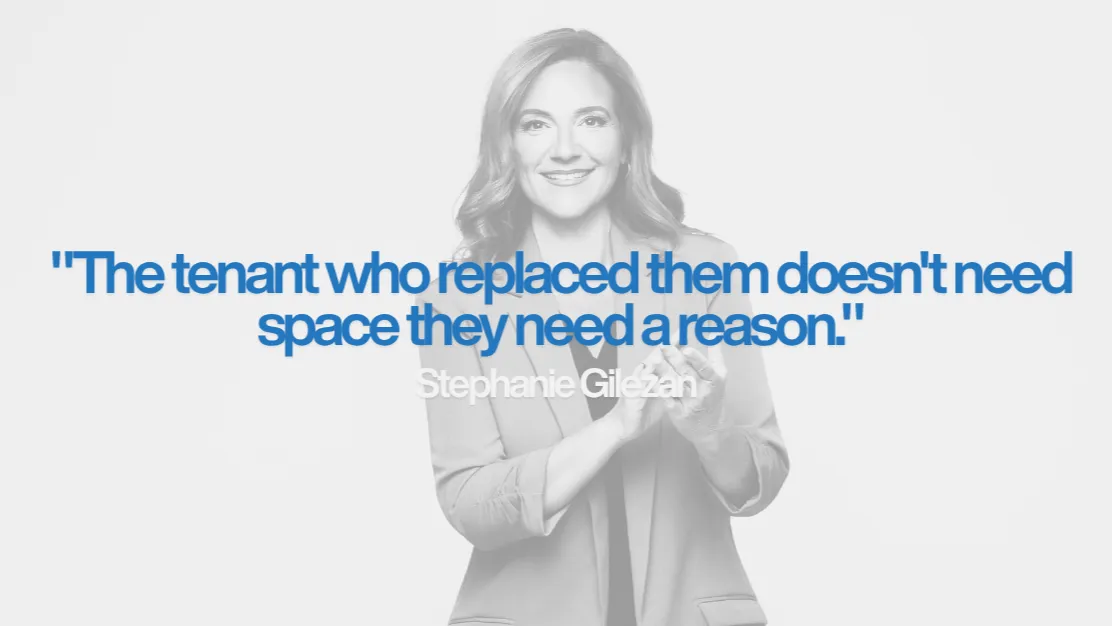
In 2026, an office decision is a management signal — about culture, hiring, and cost discipline. The buildings that understand that are leasing. The rest are waiting for 2019.
There are two office markets in America right now, and they barely speak the same language.
In one, well-located buildings with real amenities, efficient floor plates, and landlords who act like hospitality operators are leasing at strong rents, sometimes with waiting lists. In the other, commodity towers with long corridors of identical space are offering two years of free rent to tenants who still don't show up to tour. Same city. Sometimes the same street. The averages — "office vacancy hits X percent" — blend these two markets into a number that describes neither.
The defining shift of 2026 isn't return-to-office percentages. It's relevance. Tenants and investors are rewarding properties that reduce friction and match how companies actually operate now — and a company's office decision has quietly become a management signal. Where a firm locates, how much space it takes, and what kind of building it chooses now says something legible about its culture, its hiring strategy, and its cost discipline. CFOs know it. Recruiters know it. Employees absolutely know it.
That changes what an office building is. For fifty years, office was a commodity: square footage, a lobby, an address. Tenants needed space the way they needed electricity, and the landlord's job was mostly to exist. That tenant is gone. The tenant who replaced them doesn't need space — they need a reason. The office now has to outcompete the employee's kitchen table, and "we have desks" is not a competitive offer.
I've brokered office through this entire transition, and the pattern in my own deal flow is unmistakable. The buildings that lease are the ones where ownership made a decision: this is a product, not a container. They invested in the arrival experience, the conference infrastructure, the food, the flexibility of the lease itself. The buildings that sit are the ones where ownership is still waiting for the market to come back — as if 2019 were a place you could return to with enough patience.
For investors, this split is the opportunity, and it rhymes with what happened in retail. Remember when "retail is dead" flattened an entire category and the smart money quietly bought the grocery-anchored centers everyone abandoned? "Office is dead" is the same lazy flattening. Some office product genuinely is functionally obsolete — wrong floor plates, wrong location, wrong bones — and no amount of capital fixes it; that product's future is conversion or land value. But there's a middle tier of fundamentally sound, well-located buildings priced as if they belong to the obsolete category, owned by groups without the capital or conviction to reposition them. That mispricing is where the next several years of office returns live.
For owners, the playbook is uncomfortable but clear:
Decide which market you're in. Honestly. If your building can compete for the relevance tenant with investment, make the investment now — capital deployed into a leasing market beats capital deployed into a dead one. If it can't, your highest and best use conversation needs to happen this year, not after three more years of carry.
Underwrite the tenant's signal, not just their credit. A growing company taking efficient space in a great building is telling you about their next five years. A shrinking tenant renewing short in a commodity tower is telling you about yours.
Flexibility is now part of the product. Flexible configurations and shorter, modular commitments have moved from concession to expectation. Landlords who fight this are defending a lease structure from a world that no longer exists.
For tenants — and I say this as someone who advises both sides — your office decision is being read as a statement whether you intend it as one or not. Make it deliberately. The cost difference between forgettable space and space that actually helps you recruit is usually smaller than one failed senior hire.
The office isn't dead. The office as a default — space you took because that's what companies did — is dead, and it isn't coming back. What's replacing it is a smaller, sharper market where the product has to earn the tenant. Markets like that are harder. They're also where good operators and well-advised investors make their reputations.
If you own office and you're honest enough to want a real answer about which side of the split you're on — or you're hunting for the mispriced middle — my team works this market every day, across 40+ states. Let's have the uncomfortable conversation while it's still cheap.
Owners and tenants: what's the single amenity or lease term that actually moved your last office decision? Not the brochure answer — the real one.
Stephanie Gilezan
Stephanie Gilezan is a global real estate broker with 26+ years in the business, more than $3 billion in closed volume across 10,000+ transactions, and a practice spanning 40+ states and nearly 40 countries. She is the founder of Capital Connect, a boutique M&A and capital advisory firm, and Airdomo, a luxury international real estate platform. Brokered by eXp Realty and eXp Commercial.
Originally published on LinkedIn on July 14, 2026.
Related Markets: Louisville Commercial Real Estate
- Office Real Estate
- Commercial Real Estate
- CRE
- Future Of Work
- Real Estate Investing
- Workplace Strategy
- Asset Management
- Office Market