
Commercial Real Estate · June 15, 2026
This Cycle Is a Capital Structure Story, Not a Demand Story
Everyone wants to talk about demand. Nobody wants to read a rate cap agreement.
That, in one sentence, is why most market commentary in 2026 is missing the point. The commercial real estate market hasn't recovered or collapsed it has split. Some sectors and assets are clearing. Others are still grinding through repricing, maturity pressure, and operating fundamentals that don't pencil at today's cost of capital. Two buildings on the same block, same vintage, same tenancy profile, can be in completely different universes because one was financed in 2021 with floating-rate debt and a maturity coming due, and the other wasn't.
I've been brokering through cycles for 26 years, and this one behaves differently than the ones the textbooks describe. In a demand-driven downturn, you study tenants. You watch absorption, you watch job growth, you watch foot traffic. In a capital-structure downturn, the building's income statement can look perfectly healthy while its balance sheet quietly kills the deal. The asset isn't distressed. The ownership is.
Here's what that means in practice. When I underwrite an acquisition opportunity for a client right now, the first questions aren't about the rent roll. They're about the debt: What's the maturity date? What's the current rate versus the in-place rate? Is there a rate cap, and when does it expire? Is the sponsor in a fund that's at the end of its life? Is there a lender who would rather extend than foreclose or one who's done extending? Those answers tell you whether you're negotiating with a seller who wants to sell or a seller who has to sell. The spread between those two prices is where the entire opportunity set lives in 2026.
The repricing at the middle of the market is largely done. That's the good news, and it's why transaction volume is finally moving again. But "largely done" is doing a lot of work in that sentence. Beneath the surface, the delinquency picture is uneven, and the maturity wall didn't disappear it got extended, modified, and kicked down the road. Extend-and-pretend bought time. Time is now running out on a lot of those modifications, and the assets coming to market in the second half of this year and into 2027 will reflect that.
So what do you actually do with this?
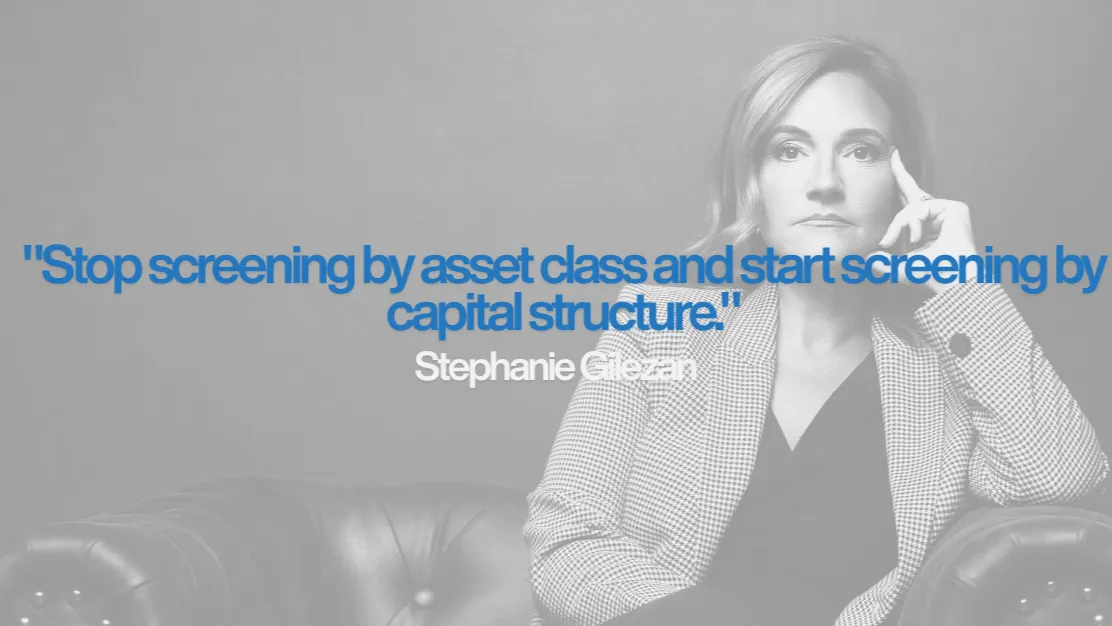
If you're a buyer: stop screening by asset class and start screening by capital structure. The best deal in your market right now might be in a sector you've written off, owned by a sponsor whose fund clock ran out. Build relationships with the special servicers, the workout attorneys, the lenders' REO desks. The deals are not going to be on the open market with a glossy offering memorandum. They never are at this stage of a cycle.
If you're an owner: know your own debt stack better than your lender does. If you have a maturity inside 24 months, you should already be running the scenarios — refinance, recapitalize, bring in a partner, or sell on your timeline instead of theirs. The owners who get hurt in this phase are not the ones with bad buildings. They're the ones who waited for a rate environment that isn't coming back to rescue a capital structure that was built for a different decade.
If you're a broker or advisor: your value right now is not in knowing what's for sale. It's in knowing what's about to be. That requires reading loan data, fund vintages, and lender behavior — not just listings.
My own practice spans commercial brokerage, business sales, and capital advisory through Capital Connect, and the most useful thing I do for clients in this market is translate between those worlds. Because the real estate question and the capital question are no longer separate questions. They're the same question, asked from two different sides of the table.
The demand story will matter again. It always does. But in 2026, the money is being made and lost in the capital stack. Read it before you write your offer.
If you're holding an asset with a maturity on the horizon, or hunting for acquisitions and tired of competing on the open market, let's talk. The window where capital-structure knowledge beats capital itself doesn't stay open forever.
Owners and investors: are you screening deals by sector, or by capital structure? Tell me which one has produced your best acquisition in the last 12 months.
Originally published on LinkedIn on June 15, 2026.
Related Markets: Louisville Investment Properties
- Commercial Real Estate
- CRE
- Capital Markets
- Real Estate Investing
- Deal Making
- CRE Investing
- Debt Markets
- Real Estate Strategy