
Commercial Real Estate · July 17, 2026
What Being Underestimated Taught Me About Closing
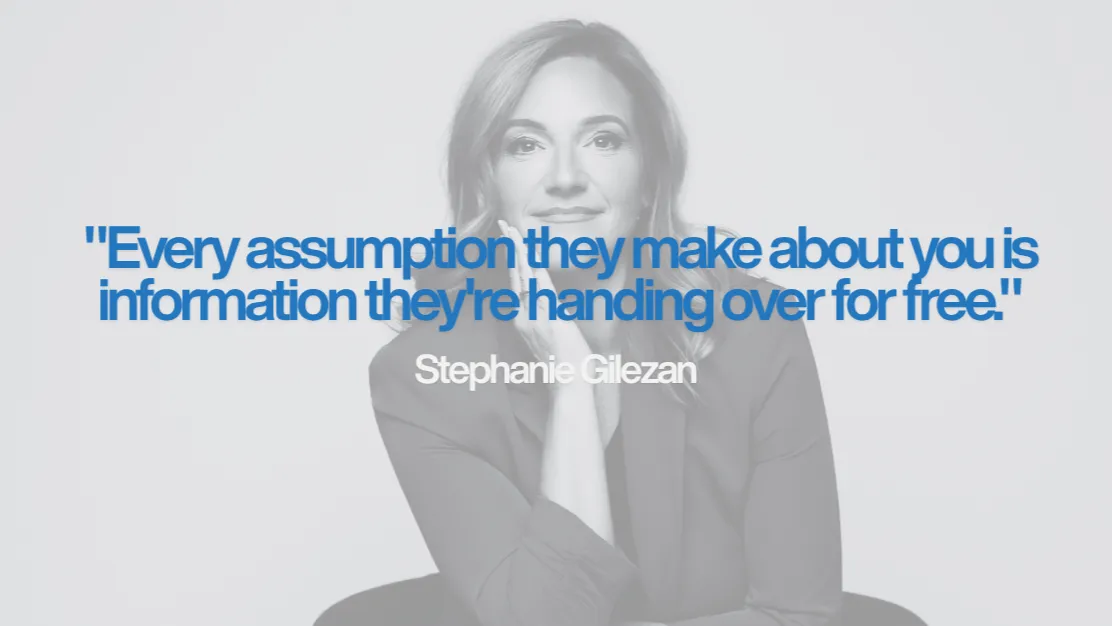
In 2003 I was the youngest NAR Top 30 Under 30 honoree Kentucky had ever produced. The rooms I walked into didn't care. That turned out to be the education.
In 2003, the National Association of REALTORS® named me to its Top 30 Under 30 — the first honoree from Kentucky, and the youngest. I'd been licensed since 1999. I thought, briefly, that the award would change how I was received in rooms full of older, mostly male brokers and investors.
It did not. I'd walk into a commercial negotiation and watch someone's eyes do the math: young, female, Kentucky. The handshake would land somewhere between polite and patronizing. More than once, a counterparty addressed every substantive question to a male colleague I'd brought along — who would then, to his credit, redirect them back to me, because I was the one who'd built the deal.
I want to tell you what I learned from those rooms, because twenty-three years and more than $3 billion in closed volume later, I've concluded that being underestimated was the most valuable professional asset I've ever had. I just didn't know it at the time.
Here's the mechanism. When a counterparty underestimates you, they get lazy. They skip preparation they'd have done for someone they respected. They show you their reasoning because they don't think you can use it. They anchor aggressively because they expect you to fold, which tells you exactly where their real number lives. Every assumption they make about you is information they're handing over for free. The deal table is one of the few places in life where someone else's low opinion of you is a measurable financial advantage — if your preparation is good enough to exploit it.
So that became the discipline: be the most prepared person in every room, without exception. Know their debt, their timeline, their alternatives, their last three transactions. Let them spend the first twenty minutes performing for the person they think you are. Then ask the question that reveals you've read documents they forgot existed. The temperature change in the room when that happens — I've felt it hundreds of times, and it never stops being satisfying.
But there's a second lesson from those years that matters more, and it's the one I emphasize when I mentor younger agents, especially women: being underestimated is an asset in a negotiation and a tax everywhere else. It's leverage at the deal table and friction in your career. The answer to the tax isn't to perform credibility — it's to accumulate the kind of record that makes the conversation unnecessary. Volume closes arguments that arguments can't. Nobody debates 10,000 transactions.
That's why my advice to anyone walking into rooms that don't expect much from them is unglamorous:
Don't spend energy correcting their perception. Spend it on the file. The perception corrects itself the moment you're obviously the best-prepared person present. Trying to win the respect first and the deal second is doing the job in the wrong order.
Keep score in closings, not credentials. The award in 2003 opened exactly zero doors by itself. The transactions behind it opened all of them. Credentials are confirmation; the record is the argument.
Let your geography be an advantage. I built a global practice — 40+ states, nearly 40 countries — from Kentucky. Early on, people read the address as a limitation. What it actually meant was lower overhead, deeper local relationships, and zero competition from people who assumed serious deals only happened on the coasts. The market doesn't care where you sit. It cares whether you can close.
Underestimate no one yourself. The sharpest counterparties I've ever faced were the ones the room dismissed. I know what that camouflage looks like from the inside, so I never trust it from the outside.
There are young agents reading this who are in their 2003 right now — credentialed, capable, and still getting the patronizing handshake. Here's what I'd want someone to have told me: the handshake is temporary. The preparation habit you build because of it is permanent. And one day you'll realize the rooms changed — not because anyone decided to take you seriously, but because your record stopped giving them a choice.
I mentor and speak on exactly this — deal-making, career-building, and walking into rooms that weren't built with you in mind. If that's a conversation your team or organization needs, my inbox is open.
Tell me about a room that underestimated you — and the moment the temperature changed. I'll go first in the comments.
Stephanie Gilezan
Stephanie Gilezan is a global real estate broker with 26+ years in the business, more than $3 billion in closed volume across 10,000+ transactions, and a practice spanning 40+ states and nearly 40 countries. A NAR Top 30 Under 30 honoree and GlobeSt. Woman of Influence, she is the founder of Capital Connect, a boutique M&A and capital advisory firm, and Airdomo, a luxury international real estate platform. Brokered by eXp Realty and eXp Commercial.
Originally published on LinkedIn on July 17, 2026.
Related Markets: Franchise and Restaurant Businesses for Sale
- Women In Real Estate
- Women In Business
- Deal Making
- Real Estate Careers
- Leadership
- Commercial Real Estate
- Mentorship
- Career Advice