
Commercial Real Estate · October 23, 2026
Your Buyer Keeps Asking for More. Here's When to Stop Saying Yes.
Most deals aren't lost at the letter of intent. They are renegotiated, one reasonable request at a time, between the LOI and the PSA.
I watched this pattern unfold on a New England land sale. The LOI was clean: defined acreage, a price, a timeline. Then the buyer's draft PSA arrived. The land area had grown to accommodate an expanded subdivision. There were new easement requests across land the seller planned to keep. There was a utility line routing that affected the retained parcel. The due diligence period had quietly lengthened. Each request came with a sensible explanation, and each one, taken alone, sounded like cooperation.
Taken together, it was a different deal at the same price.
This happens constantly, and it is rarely malicious. It is structural. LOIs are typically non-binding, so every term is still technically open. The buyer's attorney often drafts the PSA, which means the buyer controls the first version of the document that actually matters. By the time that draft arrives, the seller has usually taken the property off the market mentally, started planning around the proceeds, and grown tired of the process. That is the moment leverage shifts, and experienced buyers know it.
The fix is not to become difficult. It is to become precise.
It starts with the LOI. A vague LOI invites expansion. The more specific the legal description, acreage, easement scope, and closing conditions, the harder it is to move them later without the change being obvious. "Approximately 40 acres, to be surveyed" is an invitation. A defined parcel with a defined boundary is a position.
Next, keep a ledger. Every request that arrives after the LOI gets written down and evaluated on its own terms: what it gives the buyer, what it costs the seller, and whether it changes value. Some requests are genuinely cooperative. A utility easement that makes the buyer's project feasible may cost the seller very little and protect the deal. Others are value transfers dressed up as logistics. An easement that burdens the retained land, or extra acreage that isn't reflected in the price, is not paperwork. It is consideration.
Then answer every request in one of two ways: "Yes, and here is what it costs," or "That is a new deal, and we are happy to price it." Neither answer is hostile. Both make clear that the seller understands exactly what is being asked.
Finally, don't let fatigue negotiate for you. The longest part of any transaction is the stretch between agreement in principle and signatures on the contract. That is exactly where "let's just get it done" becomes the most expensive sentence in real estate.
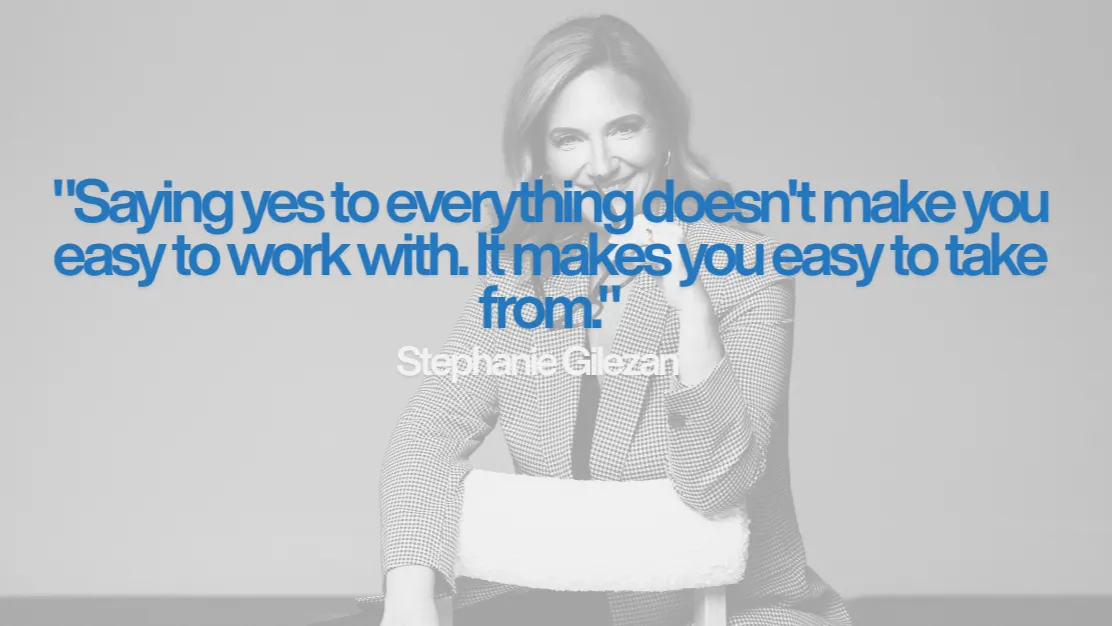
My view is direct: saying yes to everything doesn't make you easy to work with. It makes you easy to take from. The difference between a negotiator and a deal-maker is that the deal-maker knows what the deal is worth to both sides and will walk away from the version that no longer makes sense. That is the core of what I teach, and the title of my book says it plainly: never negotiate from need. Sellers who need the deal to close concede their way through the PSA. Sellers who know their alternatives price every ask.
This is the work we do together in the CRE Dealmakers Network: real deals, real drafts, and the specific moments where leverage is won or lost. If you are a broker or principal who wants to sharpen that instinct alongside people who close for a living, join us.
Brokers and principals: what is the most creative post-LOI ask you have seen a buyer slip into a draft PSA, and how did you handle it?
Originally published on LinkedIn on October 23, 2026.
Related Markets: Franchise and Restaurant Businesses for Sale
- Commercial Real Estate
- Negotiation
- Deal Making
- Land Sales
- CRE Brokers
- Never Negotiate From Need
- CRE Dealmakers